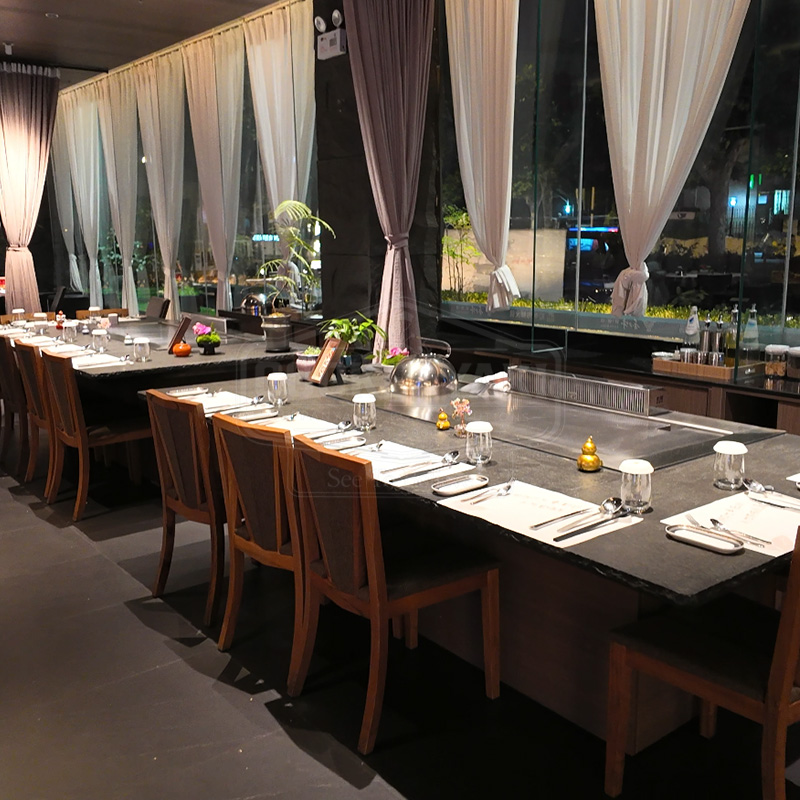
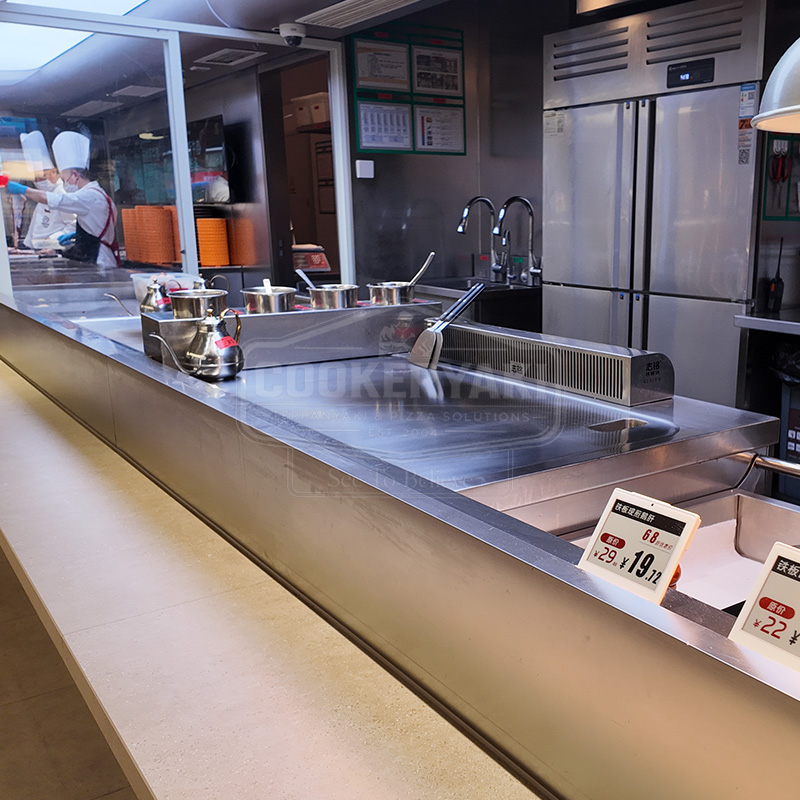
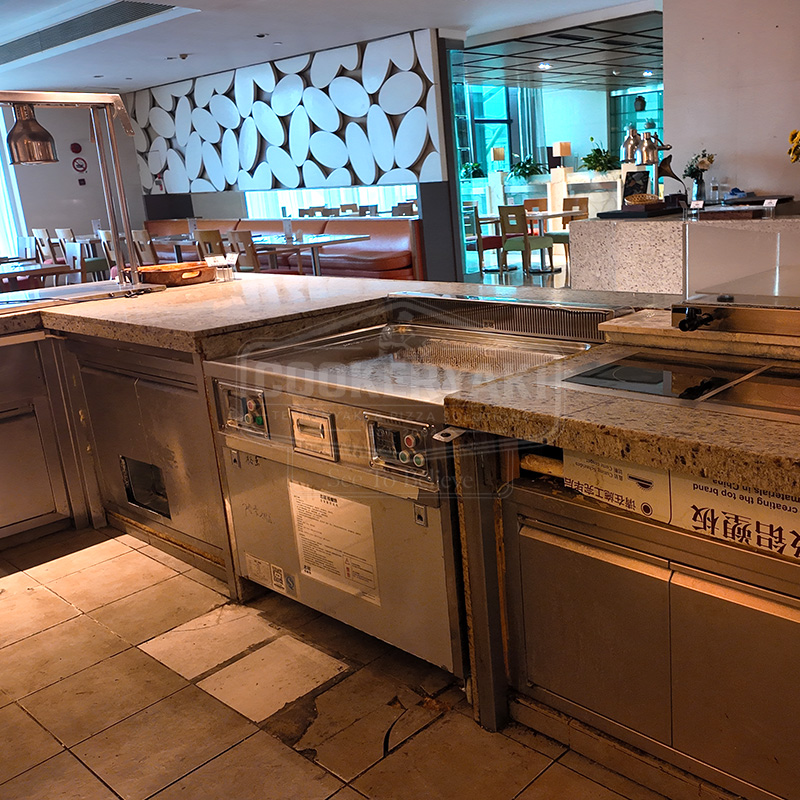
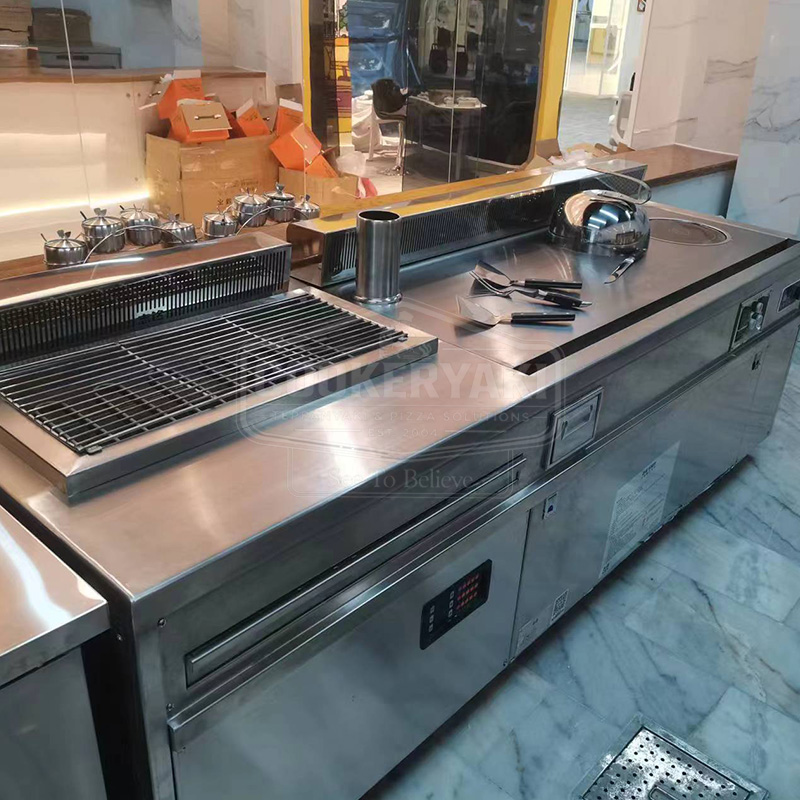
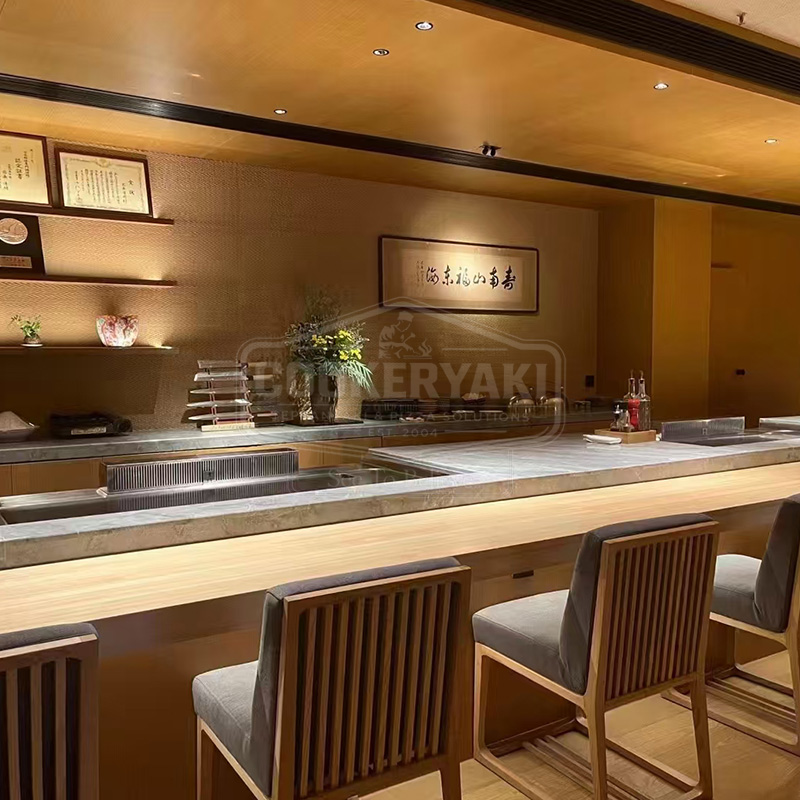
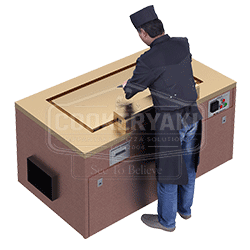
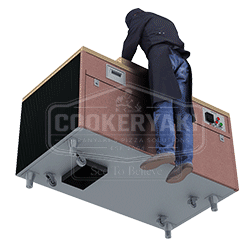
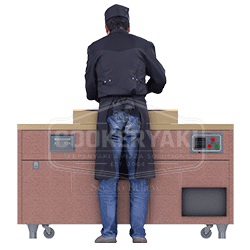
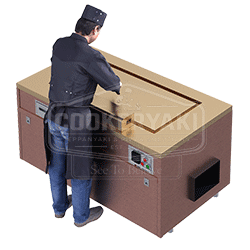
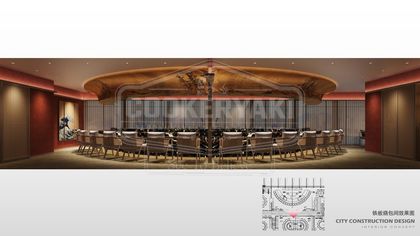
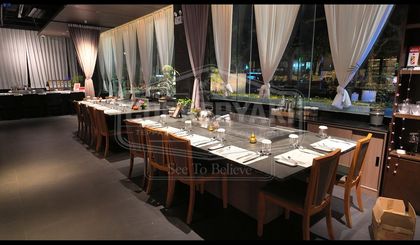
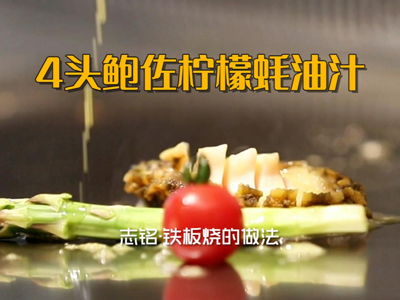
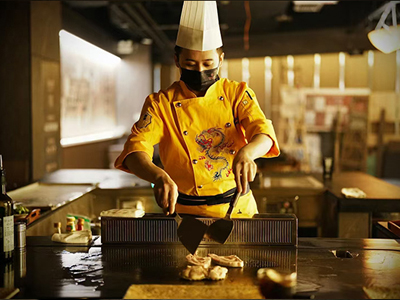
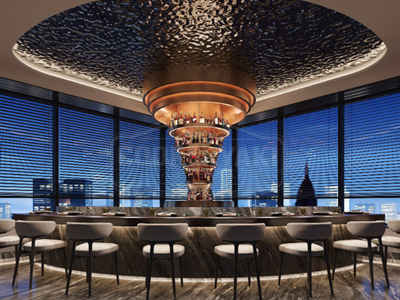
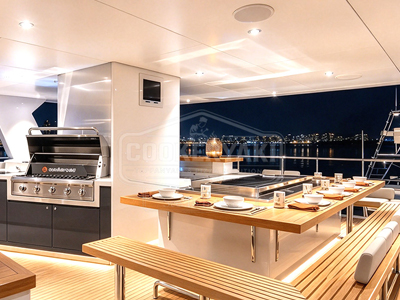
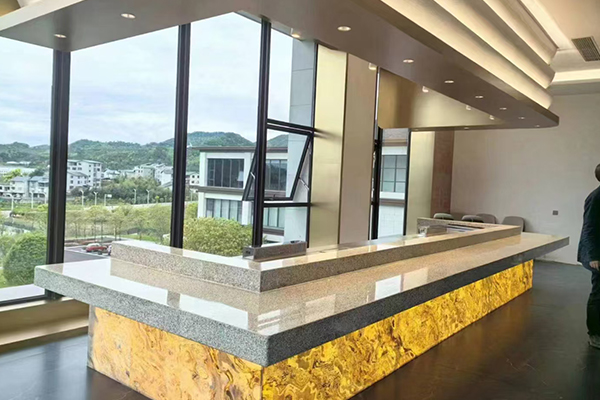
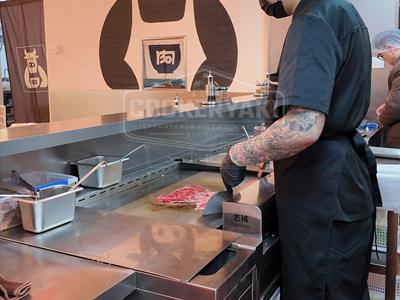
Definition: Teppanyaki is a live cooking method that can be integrated into many types of dining establishments, including but not limited to BBQ restaurants, seafood buffets, hot pot restaurants, Japanese restaurants, steakhouses, bars, and casual dining spots.
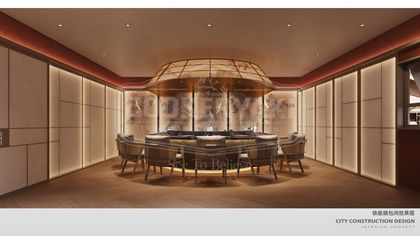
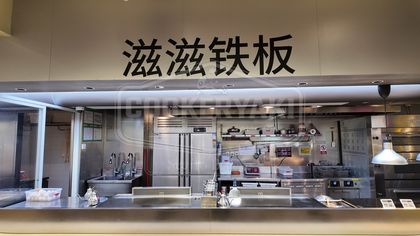
A teppanyaki station in the open kitchen, or a dedicated teppanyaki private room
Japanese Restaurant / Sushi Bar + Teppanyaki
Sashimi and sushi plus teppanyaki in one venue
Seafood Restaurant + Teppanyaki
King crab and lobster cooked in front of guests
Hot Pot / Shabu-Shabu + Teppanyaki
Two formats with separate zones and separate systems
Grill House + Teppanyaki
Add a teppanyaki grill table beside existing charcoal or electric grills
Steakhouse + Teppanyaki
Steaks seared at the counter
Buffet Restaurant + Teppanyaki Station
Multi-category buffet with a live cooking station
Cafe / Fast Casual + Teppanyaki
Quick service with the cooking in view
Renovation of an Existing Venue
Adding a teppanyaki area to a restaurant already in operation
02
Customization Process
A. Pre-Production: Design & Drawings
We fit the teppanyaki grill table into your existing floor plan and service flow, then issue CAD and 3D drawings showing how it connects to your current kitchen, ventilation and electrical supply.
B. In Production
Built as a multi-function unit where needed, combining the teppanyaki grill table with a grill, steamer or induction cooker. Every step is controlled and progress can be checked.
C. Packing & Shipping
Packed and documented for export together with your main equipment. Delivery can be split to match your renovation schedule.
D. Installation & Commissioning
Ventilation zoning for two heat sources and a dedicated circuit are reserved in advance. Video tutorials, remote support and local installers available.
E. After-Sales & Training
1-year free warranty for quality-related issues, 24/7 response and spare parts supply, plus menu planning for multi-concept venues and chef training.
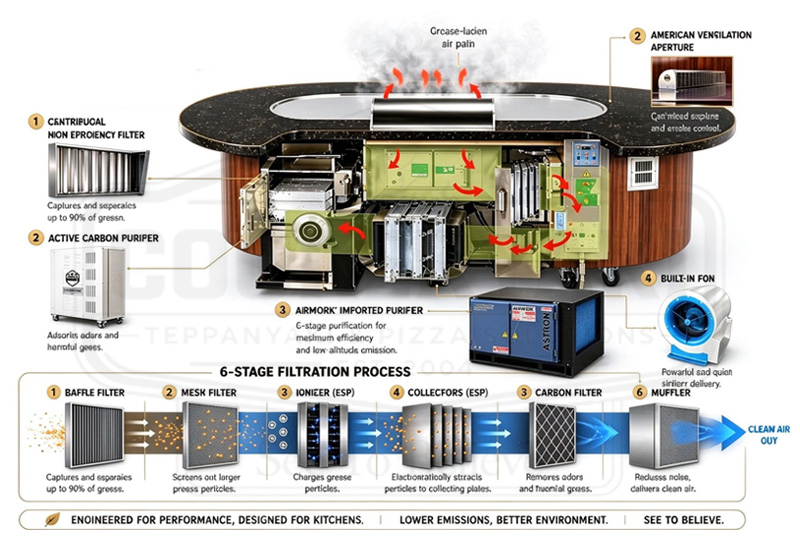
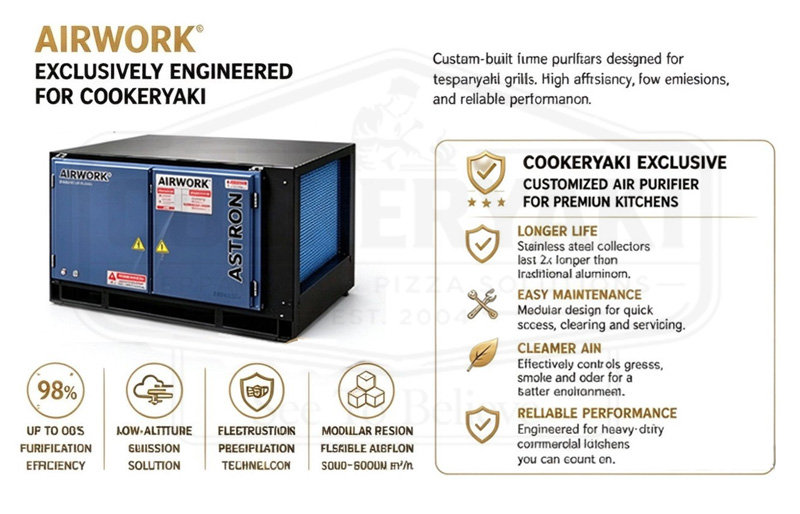
How Airwork Works
6-Stage Purification for Cleaner Air, Better Kitchens
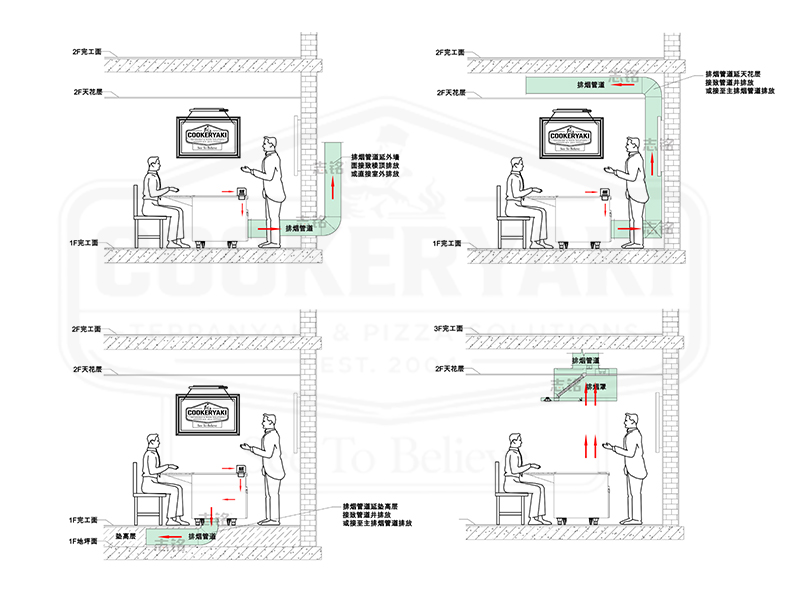
Exhaust Vent Location Diagram
Exhaust vent locations can be customized according to the site.
Left Side of Chef's SideLeft Side of EquipmentLower Left Side of EquipmentRight Side of Chef's SideRight Side of EquipmentLower Right Side of Equipment
Teppanyaki Grill Exhaust Systems
3 Types of Downdraft Exhaust, 1 Type of Top Exhaust
Definition (概述)
Teppanyaki is a live cooking method that can be integrated into many types of dining establishments, including but not limited to BBQ restaurants, seafood buffets, hot pot restaurants, Japanese restaurants, steakhouses, bars, and casual dining spots. 铁板烧作为一种现场烹制方式,可与多种餐饮业态融合,包括但不限于烧烤店、海鲜自助餐厅、火锅店、日料店、牛排馆、酒吧、简餐店等。
Heat Mode (加热方式)
Electric Heating Tube, Induction Plate 电热管,电磁盘
Optional Accessories (可选配件)
Oil Fume Purifiers, Fans, Induction Cookers, Grills, Mini Hot Pots, etc. 油烟净化器,风机,电磁炉,烧烤架,小火锅等
01Is the griddle made to order or in stock? How long does it take?
Cookeryaki is a teppanyaki equipment manufacturer from China, and we custom-make both the size and the shape. Production starts once you confirm the drawings. Lead time depends on how complex the unit is and our current schedule, and your sales contact will give you a firm date before you order.
02Does the purification unit need to be taken out for cleaning? How often?
Yes, it's removable. Take it out and wash it now and then so grease doesn't build up and block the airflow. How often depends on how much grease you cook with. For heavy-grease kitchens, like Chinese cooking, aim for about once a week. For lighter kitchens, once a month is usually enough.
03Can I customize the finish and the fume vents to fit my space?
Yes. You can match the finish to your interior style, whether that's marble, solid wood, stainless steel or something else. We can also place and design the fume vents around your actual extraction setup, so installation is easier and extraction works better.
04How is the griddle made?
The surface that touches your food goes through heat treatment, CNC machining and fine grinding. That's what gives it a smooth, flat surface, a clean grain, and even heat across the whole plate. The underside is only heat-treated, so it doesn't need the same finish.
05What are the main parts of a teppanyaki griddle? Can it be shipped in sections?
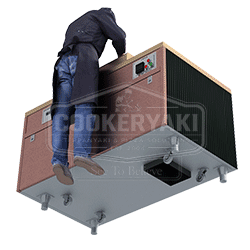
There are three main parts: the heated main unit, the built-in fume purification system, and the decorative countertop around it. Most of the time it ships as one complete unit. If moving it or getting it into your space is a problem, though, we can build it in sections and assemble it on site, which makes delivery much easier.
06How do I clean and maintain the griddle plate?
Let the plate cool down to around 30-50°C (86-122°F) first. Then pour on a little vegetable oil and scrub it with a scouring pad until it shines, and finish with a thin coat of oil to protect it. Empty and clean the residue drawer and port every day after closing. Clean the filter about once every three months, and empty the oil collection drawer at least once a day. If you won't be using the griddle for a while, coat the plate in oil so it doesn't rust.
07How do I know if a teppanyaki griddle is good quality?
Start with the griddle. Check how thick it is and how well it's finished. A good plate is smooth, flat and evenly polished, with a clean grain and color, and hard enough that spatulas and knives won't leave scratches. It should also handle high heat without warping. Next, look at the fume purification: a good unit pulls in and cleans over 95% of the smoke. Finally, check the power consumption and the safety features. A griddle that does all three well is worth the money.