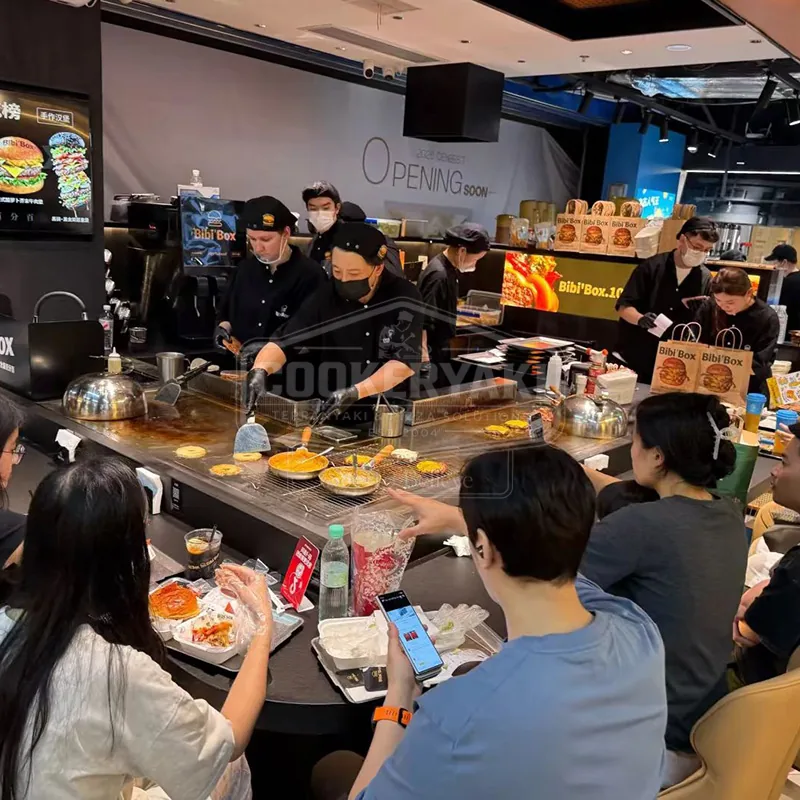
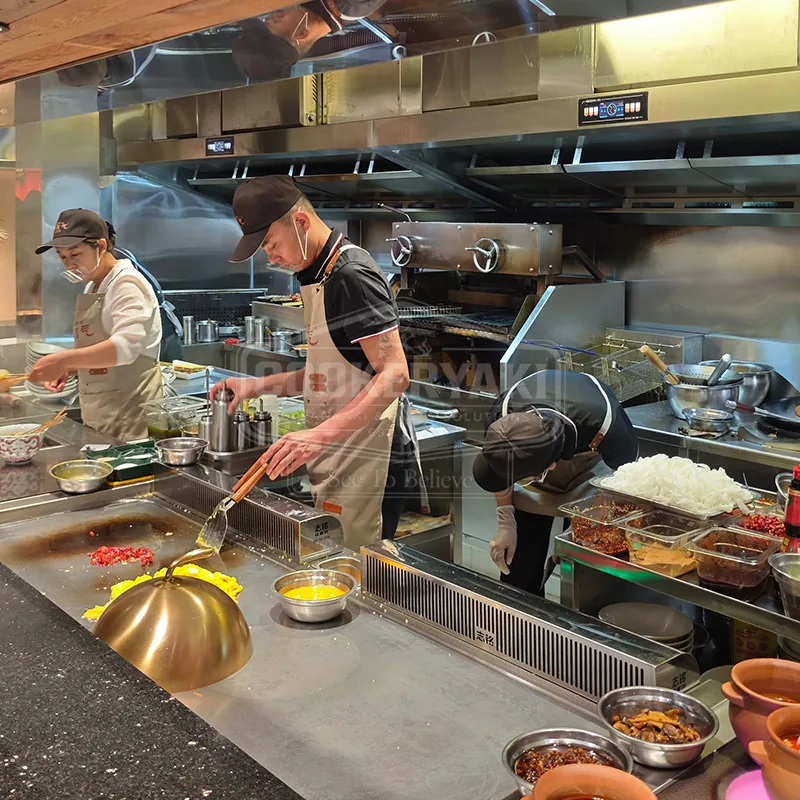
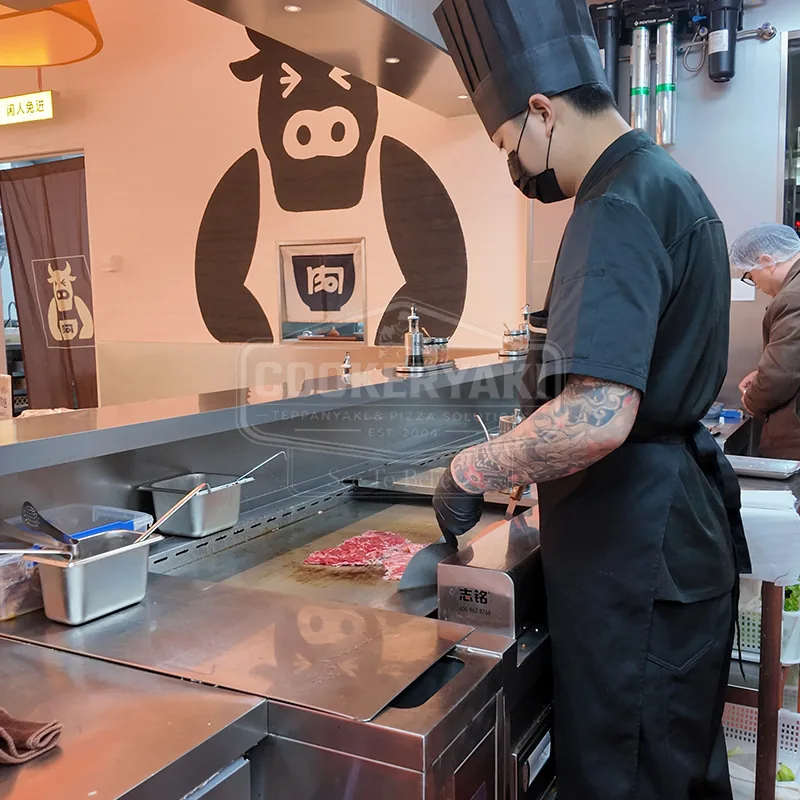
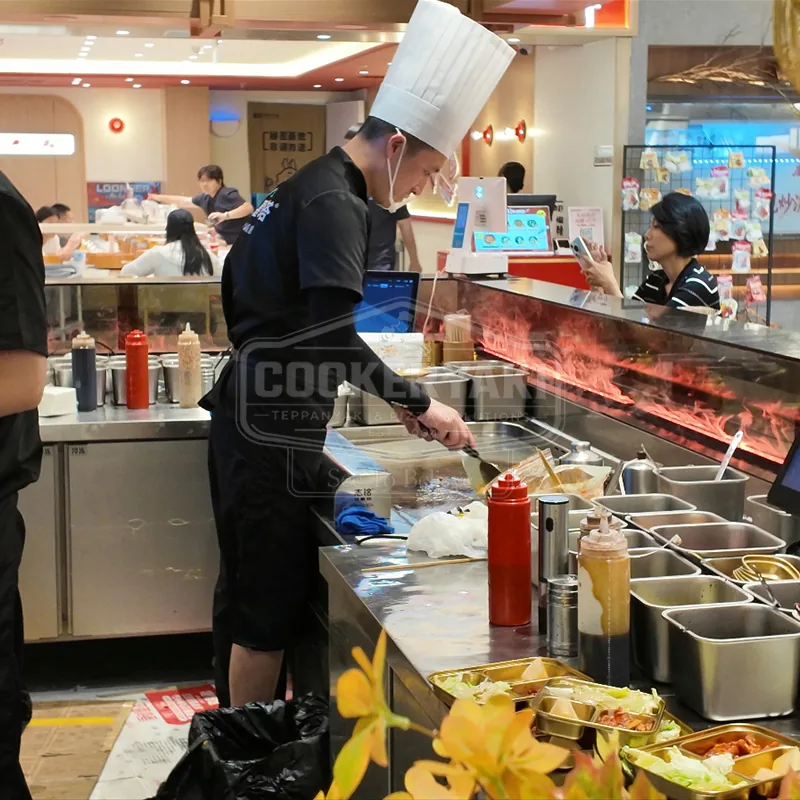
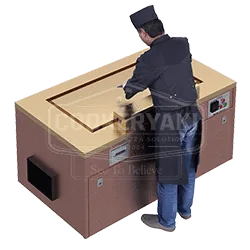
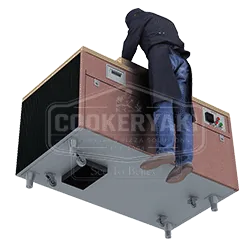
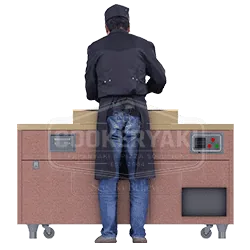
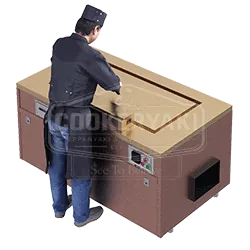
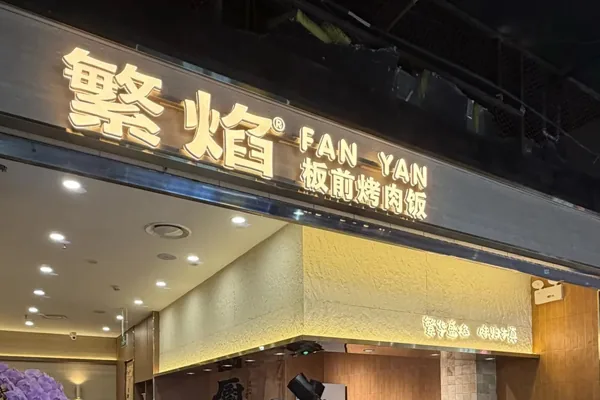
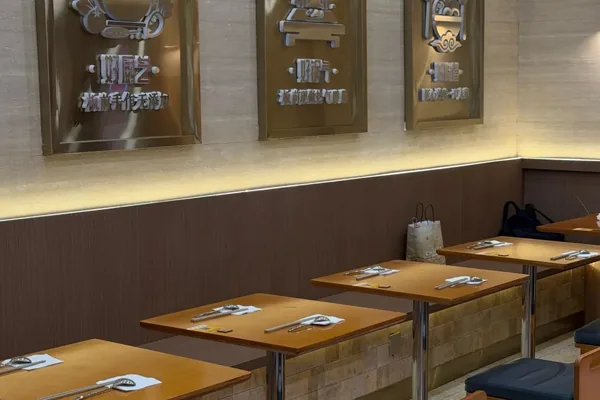
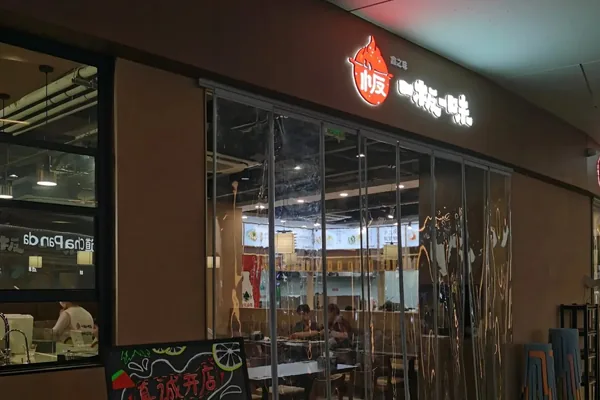
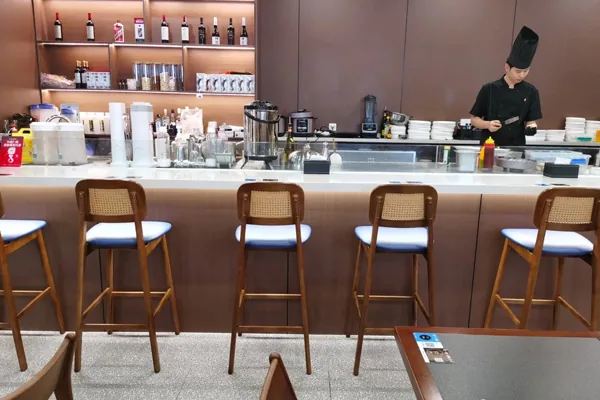
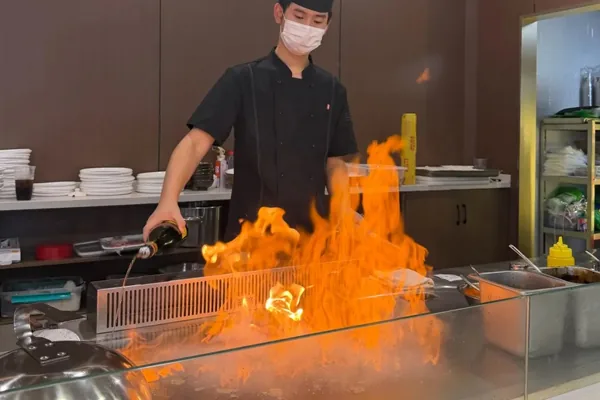
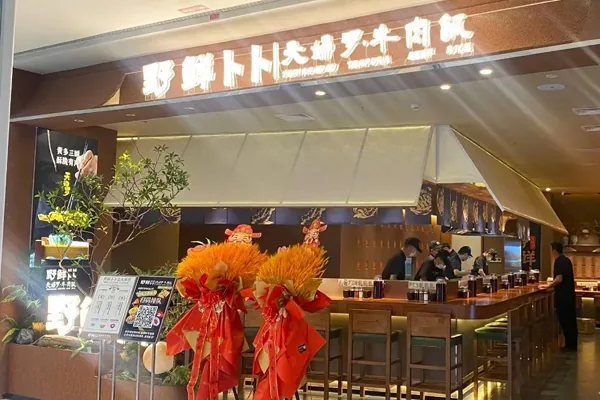
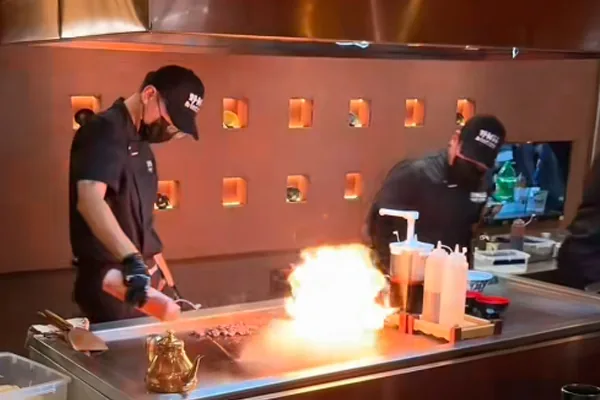
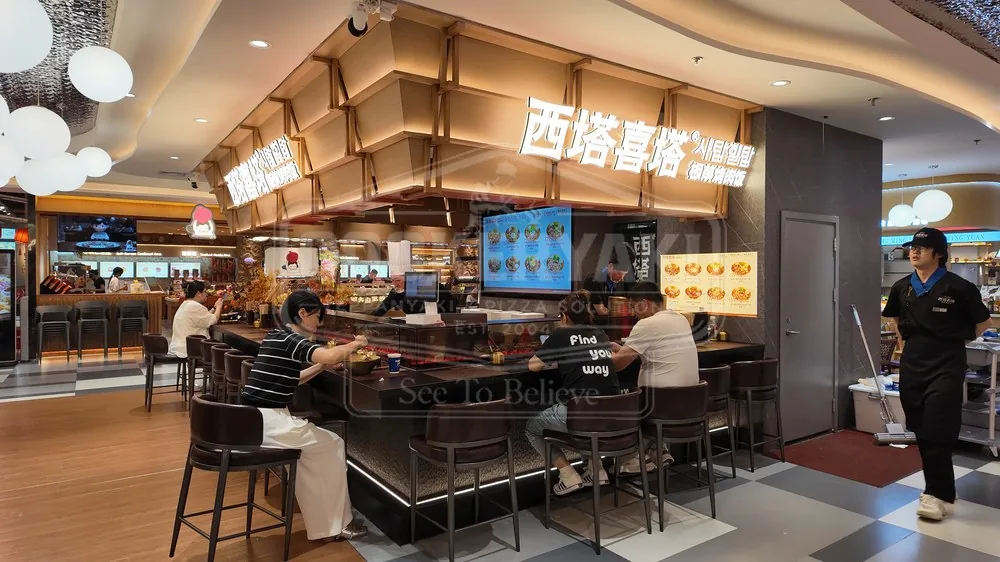
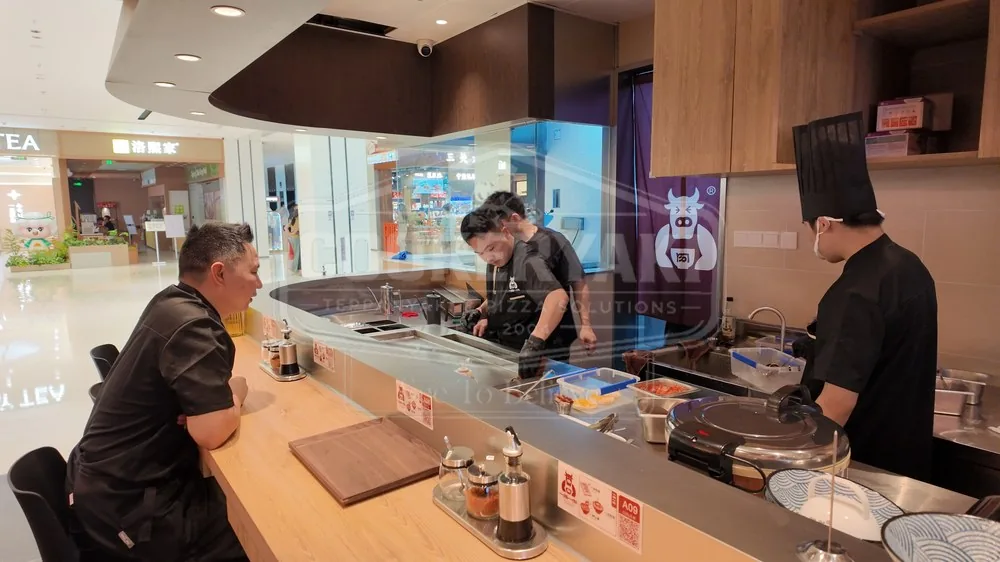
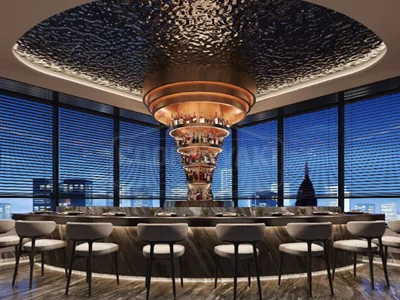
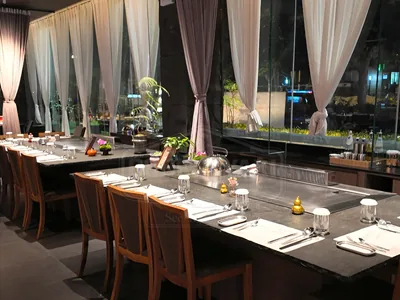
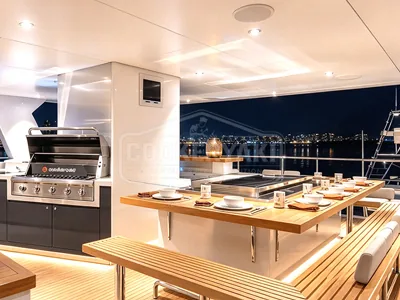
Definition: A budget fast-food format that started in 2025 and quickly spread through shopping malls in China. It brings the counter-side teppanyaki experience to everyday fast food: guests sit in front of the chef, watch their meal cooked on the spot, and pay only 20–30 RMB. Cheap, but still a show.
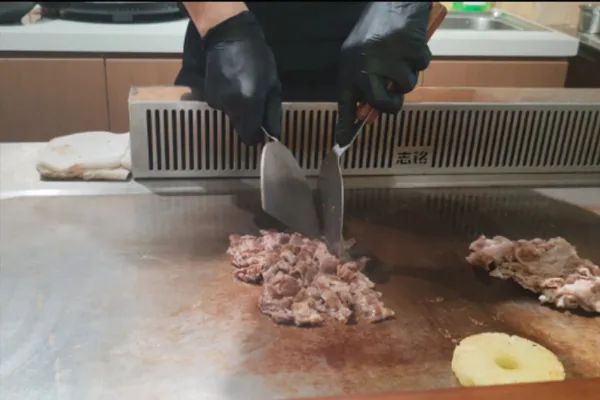
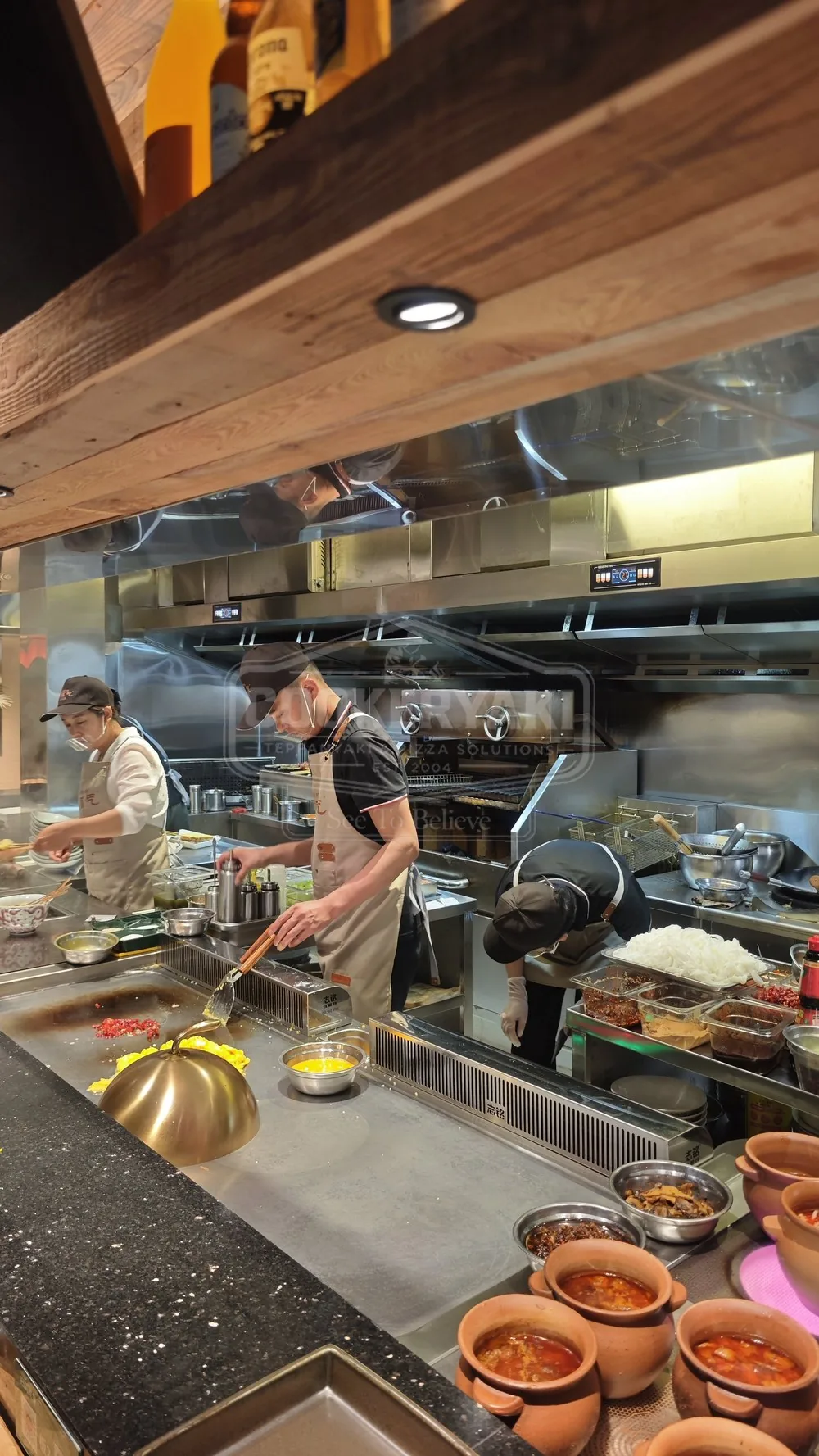
Counter-side teppanyaki fast casual: the chef cooks on a teppanyaki grill table in front of the guests, and everything from preparation to plating stays in view.
Origin: once used only in high-end Japanese restaurants, with high spend per guest and slow table turns
Change: recently adopted by fast casual operators, bringing spend per guest down to everyday levels and service times down to seconds
Result: a new category that pairs the experience of a high-end teppanyaki counter with fast-food prices and speed
02
Where It Scaled First
The format scaled first in Asia, and China is the market with the largest number of outlets: it took shape in 2025 and expanded rapidly from early 2026, reaching most major shopping malls in China within six months.
Outside Asia the format is still new, so early entrants can still establish the category.
03
Similar Formats Worldwide
Region
Comparable Formats
Characteristics
Japan
Counter-side dining (sushi, tempura, teppanyaki)
Where the format began: the chef works in front of the guest and cooks to order
Japan
Counter-side hamburger steak rice and tempura steak rice
Ground and fried to order, set meals, mid-range prices
North America
Hibachi steakhouse
Cooking on a hibachi grill table with a show, higher spend per guest, widely known
Europe
Teppanyaki restaurants and open-kitchen counters in food halls
Cooking in full view, mid-to-high spend per guest
Rest of Asia
Open kitchen with counter ordering
Already common in chain fast casual
China
Counter-side teppanyaki fast casual (rapid expansion from early 2026)
High-end counter experience with fast-food prices and table turns
04
Why It Works, and Where It Fits
Why it works
Open counter: guests see the food cooked from start to finish
High-end feel, everyday price: the experience of a teppanyaki counter at fast-food prices
More seats per square metre: seating runs along the cooking counter
Fewer staff: one chef per station, no waiting staff needed
Works for solo diners: one seat per guest, no shared tables
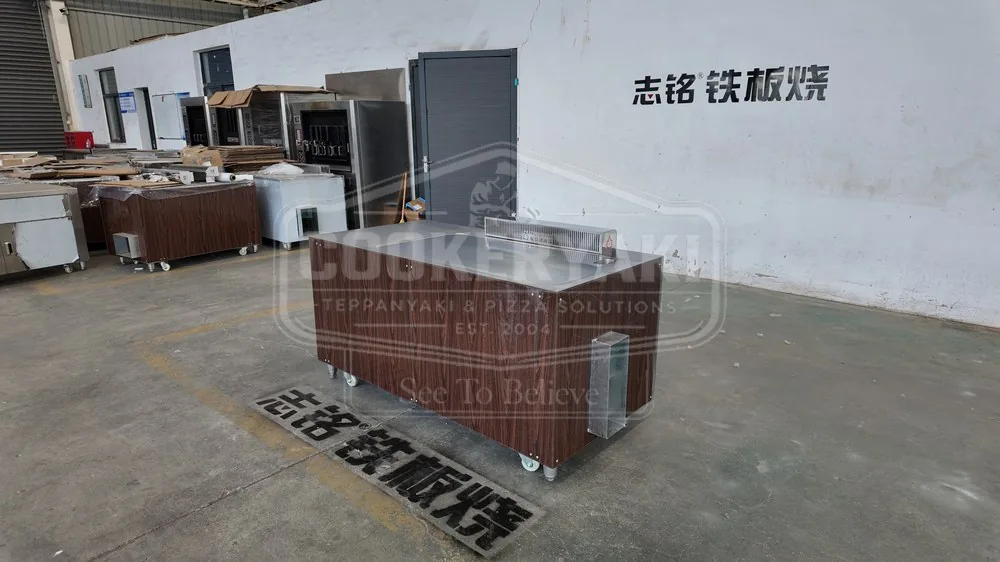
The grill table is the foundation: the whole format depends on one commercial teppanyaki grill table (griddle, extraction and purification, temperature control)
Where it fits, by market
Region
Recommended Locations
Southeast Asia (Thailand, Vietnam, Indonesia, Malaysia, the Philippines)
Shopping mall dining floors, younger customers
Middle East (Saudi Arabia, the UAE, Qatar)
Large shopping malls, family dining
Europe and North America (US, Canada, UK, France, Germany)
Food halls, chain fast casual, office districts
Russia and the CIS
Mall dining floors, mixed-use developments
Latin America (Mexico, Brazil, Chile)
Shopping mall food courts
Mature markets (Japan, South Korea, Singapore, Hong Kong, China, Taiwan, China)
Established counter-side dining culture, suited to a differentiated concept
05
Customization Process
A. Pre-Production: Design & Drawings
Compact teppanyaki grill table size and shape set by counter length and seat count, with CAD and 3D drawings confirming the service flow and preparation positions.
B. In Production
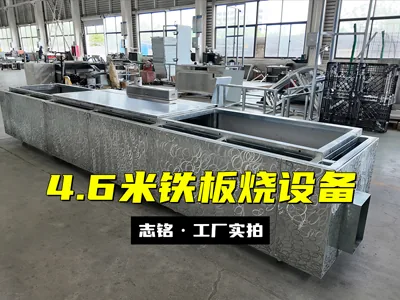
A 25mm quenched griddle assembled for continuous service and fast table turns. Every step is controlled and progress can be checked.
C. Packing & Shipping
Compact units export-packed and customs documents arranged, with batch shipping available for multi-site chains.
D. Installation & Commissioning
Mall counter space and downdraft extraction planned in advance. Video tutorials, remote support and quick local installation.
E. After-Sales & Training
1-year free warranty for quality-related issues, 24/7 response and spare parts supply, plus menu standardisation, service pace and multi-site rollout training.
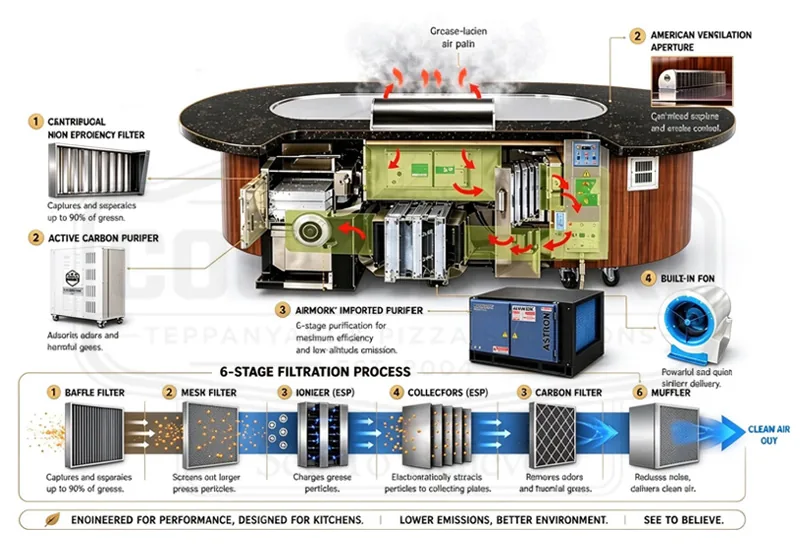
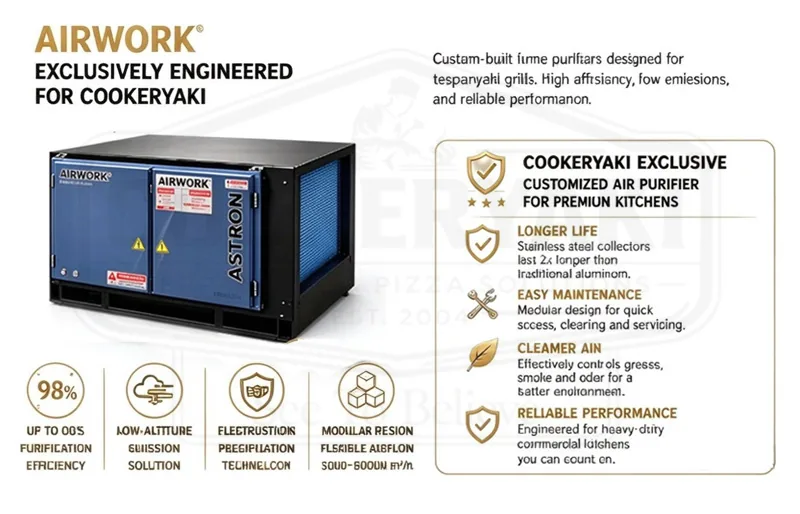
How Airwork Works
6-Stage Purification for Cleaner Air, Better Kitchens
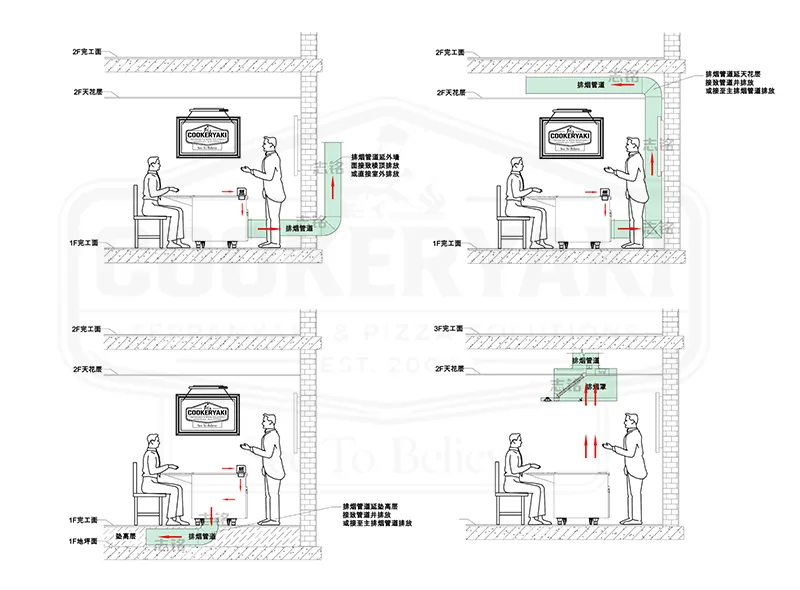
Exhaust Vent Location Diagram
Exhaust vent locations can be customized according to the site.
Left Side of Chef's SideLeft Side of EquipmentLower Left Side of EquipmentRight Side of Chef's SideRight Side of EquipmentLower Right Side of Equipment
Teppanyaki Grill Exhaust Systems
3 Types of Downdraft Exhaust, 1 Type of Top Exhaust
About Teppan-Counter Steak & Wagyu Rice Bowls
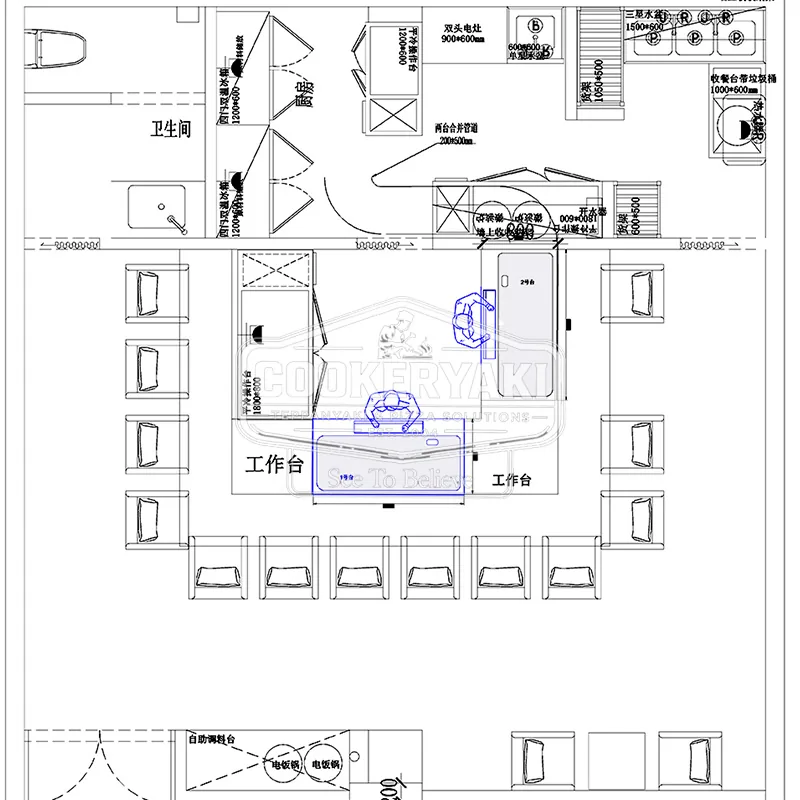
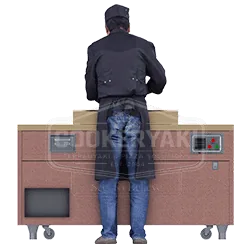
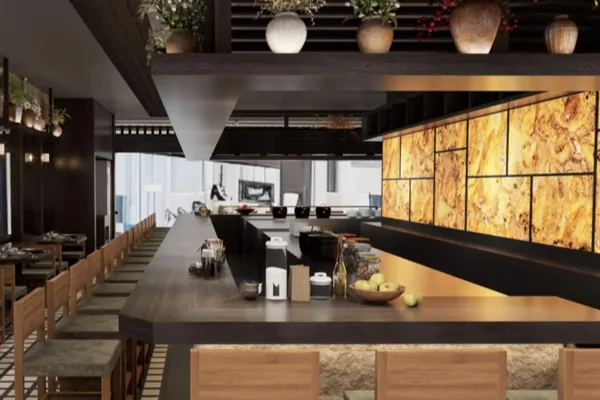
The counter is narrow and long, 600 to 800 mm wide, joined into a run that follows the queue. One cook works one station, and guests sit along the cooking side.
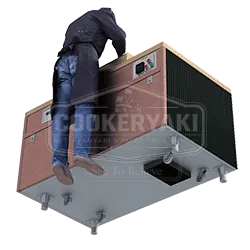
Downdraft extraction is built into the counter, so the stall needs no hood over the seats. Heating is a heating tube or an induction cooker, picked for recovery between orders.
Eight to twenty seats run along the counter, set by the length of the run. Chains order to a single drawing, so every outlet opens with the same counter and the same pace.
Definition (概述)
A budget fast-food format that started in 2025 and quickly spread through shopping malls in China. It brings the counter-side teppanyaki experience to everyday fast food: guests sit in front of the chef, watch their meal cooked on the spot, and pay only 20–30 RMB. Cheap, but still a show. 起源于 2025 年,在中国各大商场迅速走红的一种平价快餐形式。其核心是将高端铁板烧的板前料理模式引入大众快餐,人均消费 20–30 元,顾客可近距离观看厨师现场制作,兼具性价比与仪式感。
Heat Mode (加热方式)
Electric Heating Tube, Induction Plate 电热管,电磁盘
Optional Accessories (可选配件)
Oil Fume Purifiers, Fans, Induction Cookers, Grills, Mini Hot Pots, etc. 油烟净化器,风机
01Can it keep up when we're cooking non-stop through the rush?
Yes. Our griddles are built for continuous commercial use. The steel plate is thick and the heating system is powerful, so the temperature stays steady even when you're cooking non-stop through the busiest hours.
02How do I clean and maintain the griddle plate?
Let the plate cool down to around 30-50°C (86-122°F) first. Then pour on a little vegetable oil and scrub it with a scouring pad until it shines, and finish with a thin coat of oil to protect it. Empty and clean the residue drawer and port every day after closing. Clean the filter about once every three months, and empty the oil collection drawer at least once a day. If you won't be using the griddle for a while, coat the plate in oil so it doesn't rust.
04Does the purification unit need to be taken out for cleaning? How often?
Yes, it's removable. Take it out and wash it now and then so grease doesn't build up and block the airflow. How often depends on how much grease you cook with. For heavy-grease kitchens, like Chinese cooking, aim for about once a week. For lighter kitchens, once a month is usually enough.
05Does it put out a lot of smoke while you're cooking?
Much less than a flat-top griddle. The griddle has a built-in fume purification system that captures over 95% of the oil fume at the surface, so far less of it reaches the dining area.
06Is the griddle made to order or in stock? How long does it take?
Cookeryaki is a teppanyaki equipment manufacturer from China, and we custom-make both the size and the shape. Production starts once you confirm the drawings. Lead time depends on how complex the unit is and our current schedule, and your sales contact will give you a firm date before you order.
07We'd only use it once in a while — will it still hold up?
Yes. It's built to commercial standards, so using it only now and then is no problem. If it's going to sit idle for a long stretch, just coat the plate with a thin layer of oil to protect it, and it'll be ready whenever you need it.
08How is the griddle made?
The surface that touches your food goes through heat treatment, CNC machining and fine grinding. That's what gives it a smooth, flat surface, a clean grain, and even heat across the whole plate. The underside is only heat-treated, so it doesn't need the same finish.
09Can the table be finished to match our club's interior?
Yes. Both the exterior and the surrounding countertop can be customized to match your interior — marble, solid wood, stainless steel, whatever you're working with. The duct opening can be positioned to suit the extraction setup you have on site.
10How do you handle the fume extraction? Do we need a separate hood?
You've got two options. With overhead extraction, you fit a hood above the unit. With downdraft extraction, the fan and oil fume purifier are built right into the griddle — it cleans over 95% of the smoke, and it's the better fit if you don't have a ceiling to hang a hood from or your kitchen is on show. We usually recommend downdraft, since it keeps the smoke over the griddle instead of spreading across the dining area.