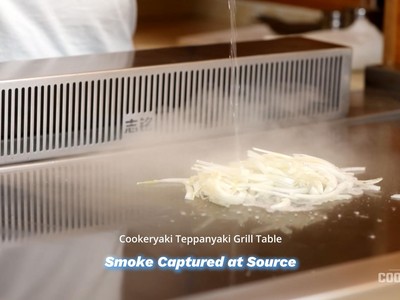
Copper Plate Series
The griddle plate is 20mm solid copper. Copper moves heat far better than steel: it travels faster and spreads more evenly, the plate holds a smaller temperature difference from edge to edge, and temperature is easier to control. On dishes that need gentle heat, the difference is obvious. Solid copper through and through, the warm copper tone alone marks it out from a common steel griddle, and gives the restaurant a feature guests notice.
You'll mostly see these grill tables in mid-to-high-end restaurants that want to stand apart, and in French teppanyaki or copper griddle specialists.
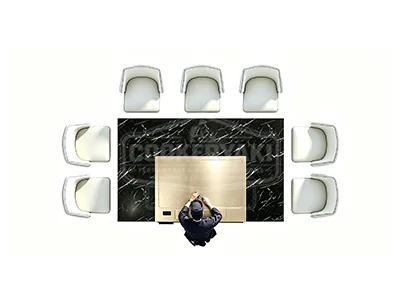
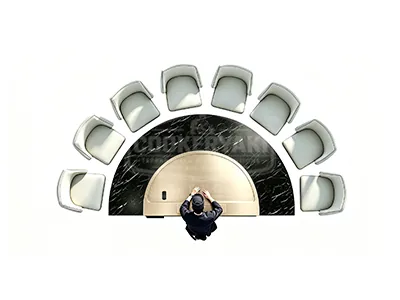
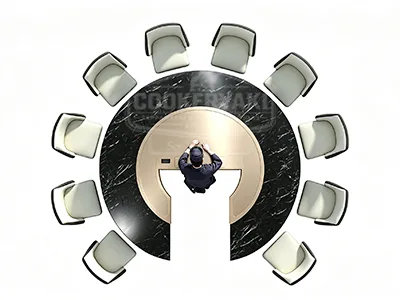
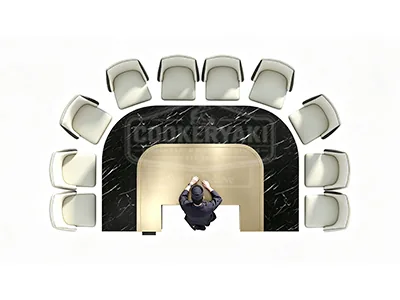
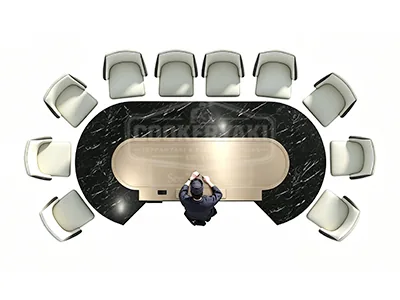
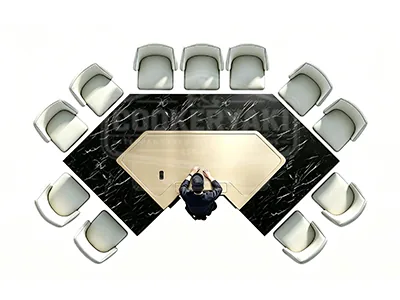
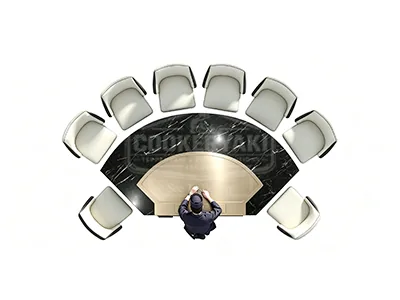
Copper teppanyaki grill tables also run on electric heating with no open flame, and the fume purification is built in. Downdraft extraction can be fitted, and the dining counter can be finished in marble or another material. Size, shape (round, fan, oval, rectangular or a custom shape) and exterior finish can all be customized.
We'll send care instructions for the copper plate with your order. Follow them and the surface will stay in good shape for years.
Copper against steel
Two things decide the copper plate. Heat moves through copper faster and spreads more evenly than through steel, and the surface itself is part of the look of the room. Where a menu leans on gentle heat and a visible plate, copper is the pick. Where the plate is under heavy spatula work all day, the hardened steel plate on the Master Series takes that wear.
Seven shapes are available, the same set as the other lines: rectangular, semicircular, round, arched, oval, horseshoe and fan.
One piece, and how it ages
The plate is one piece of solid copper, with no joint across the cooking surface. Copper darkens over time into a natural patina, and the surface improves as it ages.
The counter is usually matched in solid wood or marble, so the copper tone carries into the room from the plate outward.